Dilapidation Reports Brisbane Protect Your Property Before Construction Starts
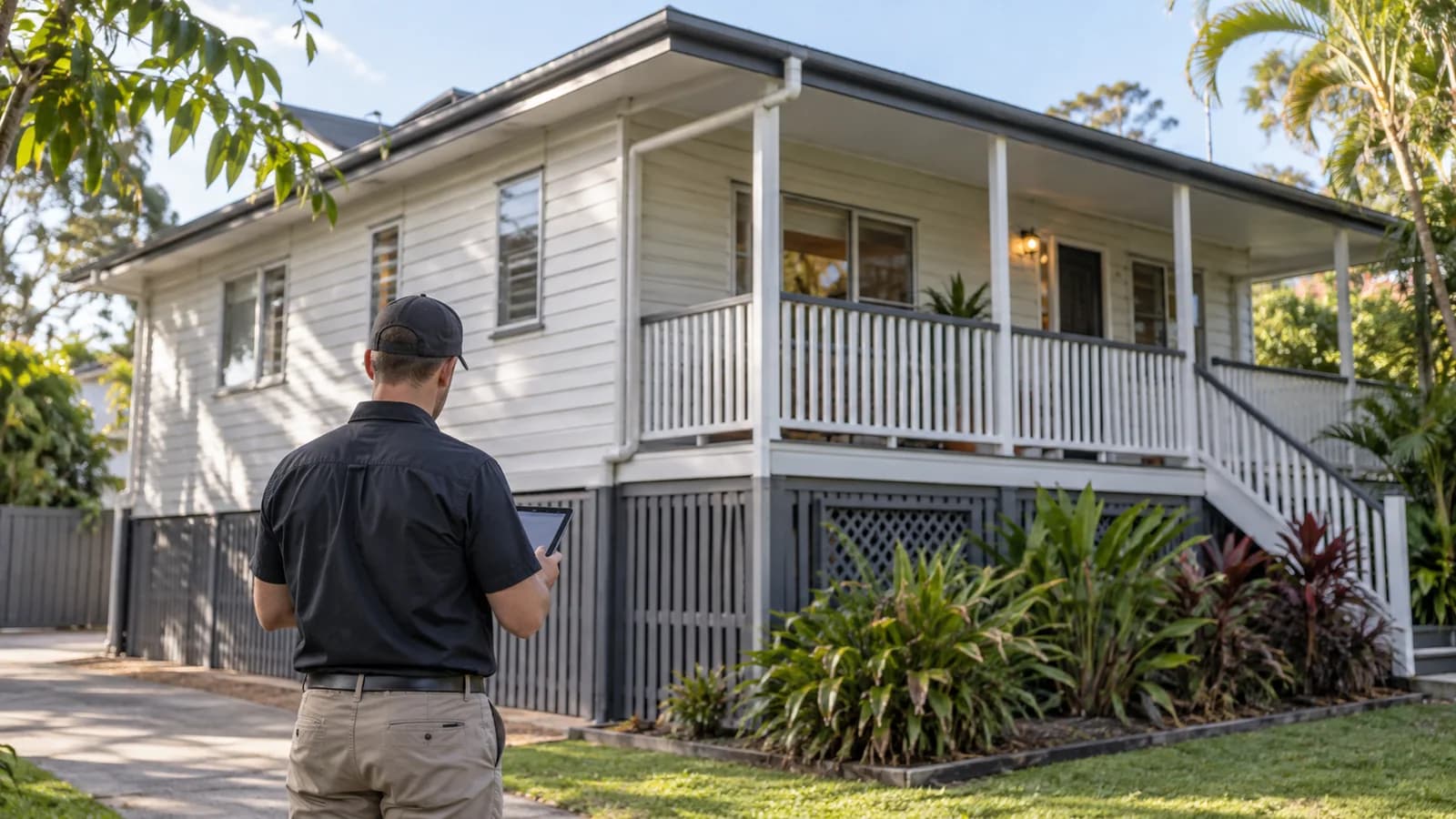
Is construction about to start near your property? A dilapidation report documents the current condition of your home or building — giving you evidence if damage occurs. We connect you with qualified Brisbane building surveyors for a thorough, independent assessment.
500+
Reports Completed
15+
Suburbs Covered
Qualified
Surveyors
Request Your Free Quote
No obligation. We will match you with a qualified surveyor.
Construction Next Door? Your Property Could Be at Risk
Every year in Brisbane, construction projects cause damage to neighbouring properties — cracked walls, shifted foundations, broken driveways, and more. Without documented evidence of your property's condition before construction began, proving that the damage is new can be nearly impossible.
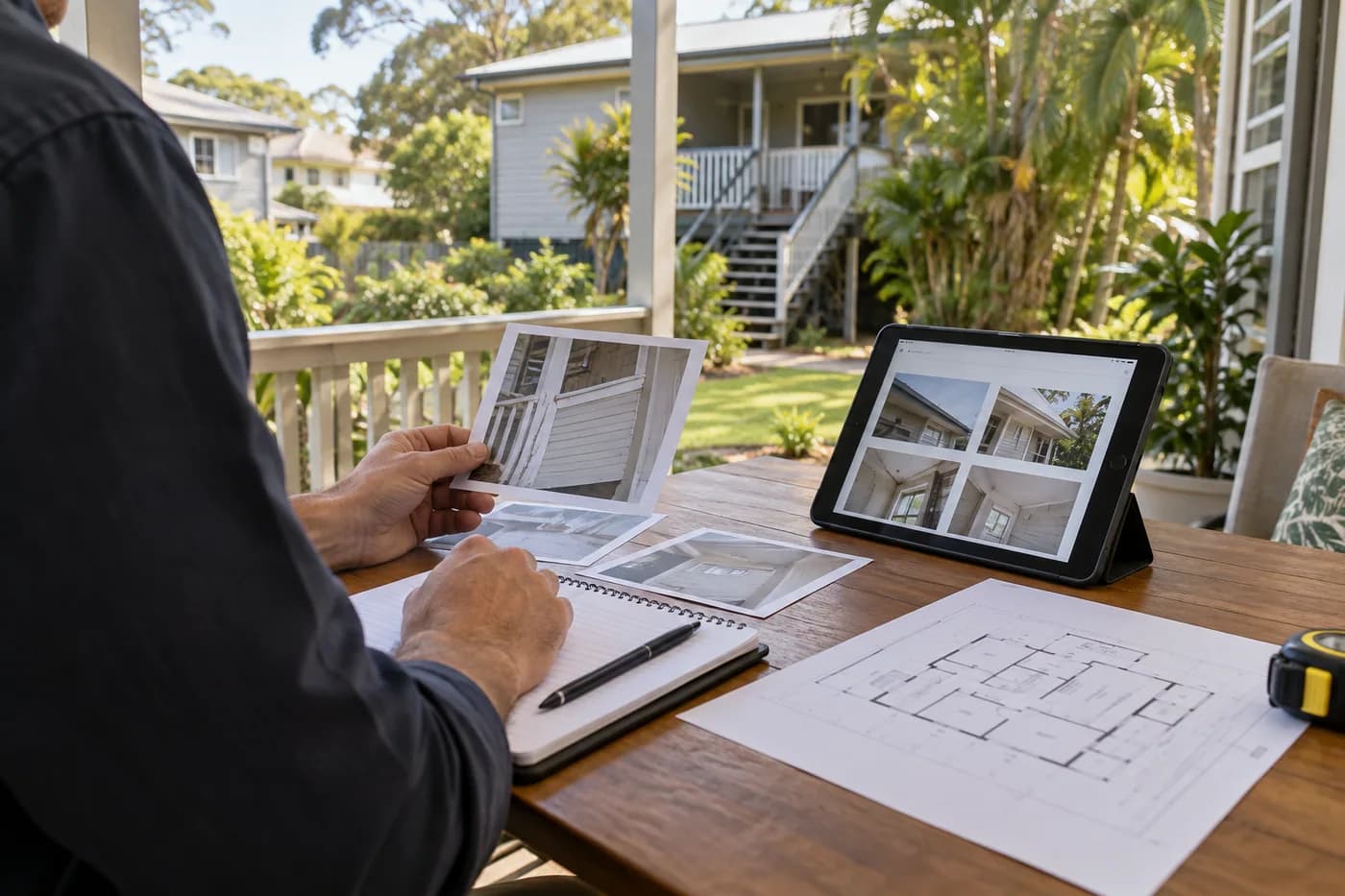
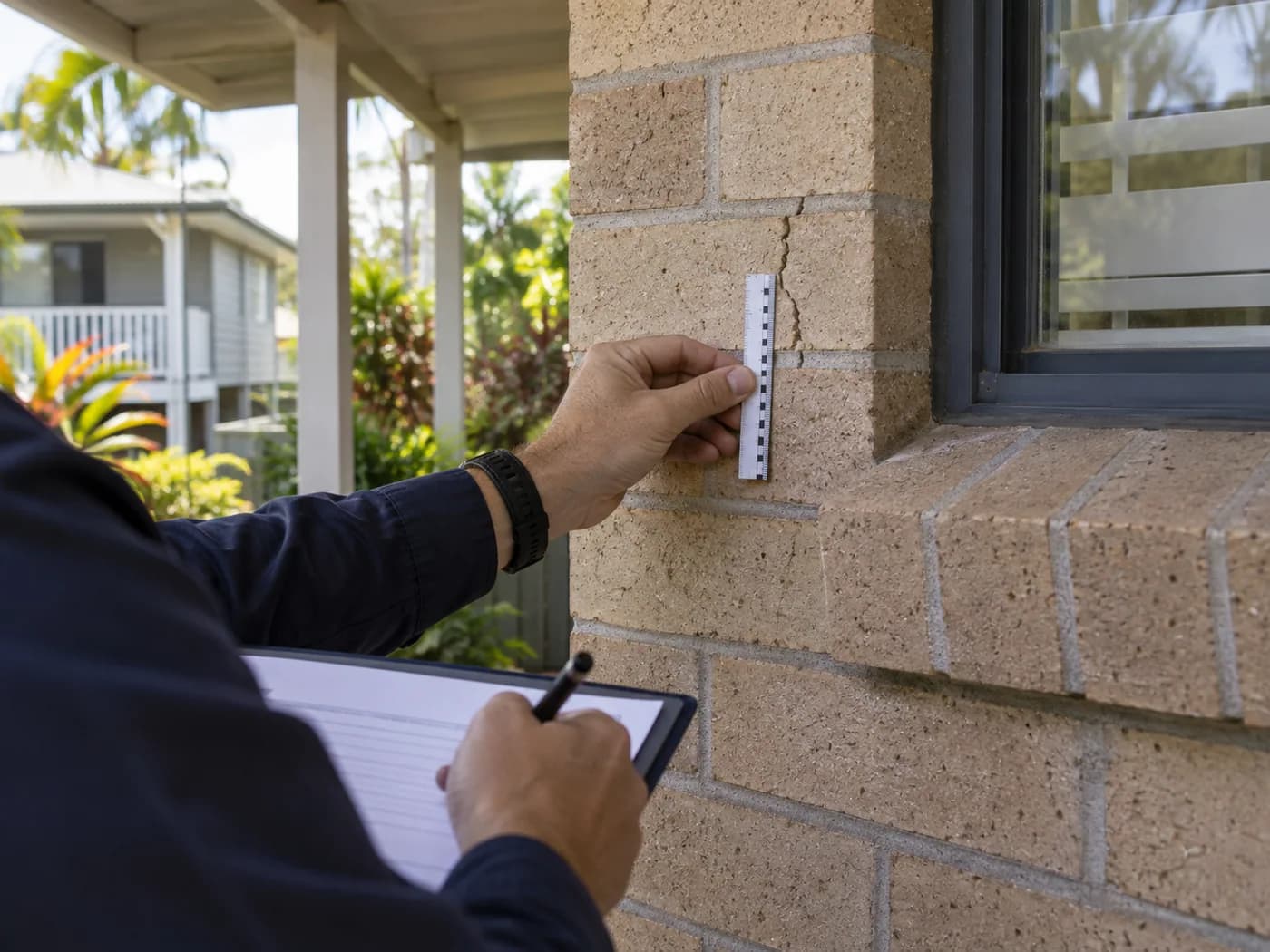
A dilapidation report is your insurance. It provides a detailed, independent record of existing cracks, defects, and structural conditions — photographs, measurements, and expert observations — so that any new damage can be clearly identified and attributed.
Without one, you may be left paying for repairs that were not your fault. With Brisbane's construction boom accelerating toward 2032, the risk has never been greater.
How We Connect You With Qualified Surveyors
Dilapidation Report Brisbane is a referral service that connects property owners with experienced, qualified building surveyors across the Greater Brisbane region. We do not conduct inspections ourselves — we match you with the right professional for your property type, location, and timeline.
Want to learn more about the process? Read our guide to dilapidation reports.
Three Simple Steps
Inspection and reporting process
Tell Us About Your Property
Fill out our quick form with your property details, suburb, and what construction is happening nearby. It takes less than two minutes.
Get Matched With a Surveyor
We review your request and connect you with a qualified building surveyor experienced in your area and property type — usually within one business day.
Receive Your Detailed Report
The surveyor inspects your property, documents all existing conditions with photos and measurements, and delivers a comprehensive dilapidation report.
Who We Help
Residential report services
Commercial report services
Brisbane Suburbs We Cover
We connect property owners with qualified surveyors across all major Brisbane suburbs. Select your suburb to learn about local construction activity and dilapidation risks.
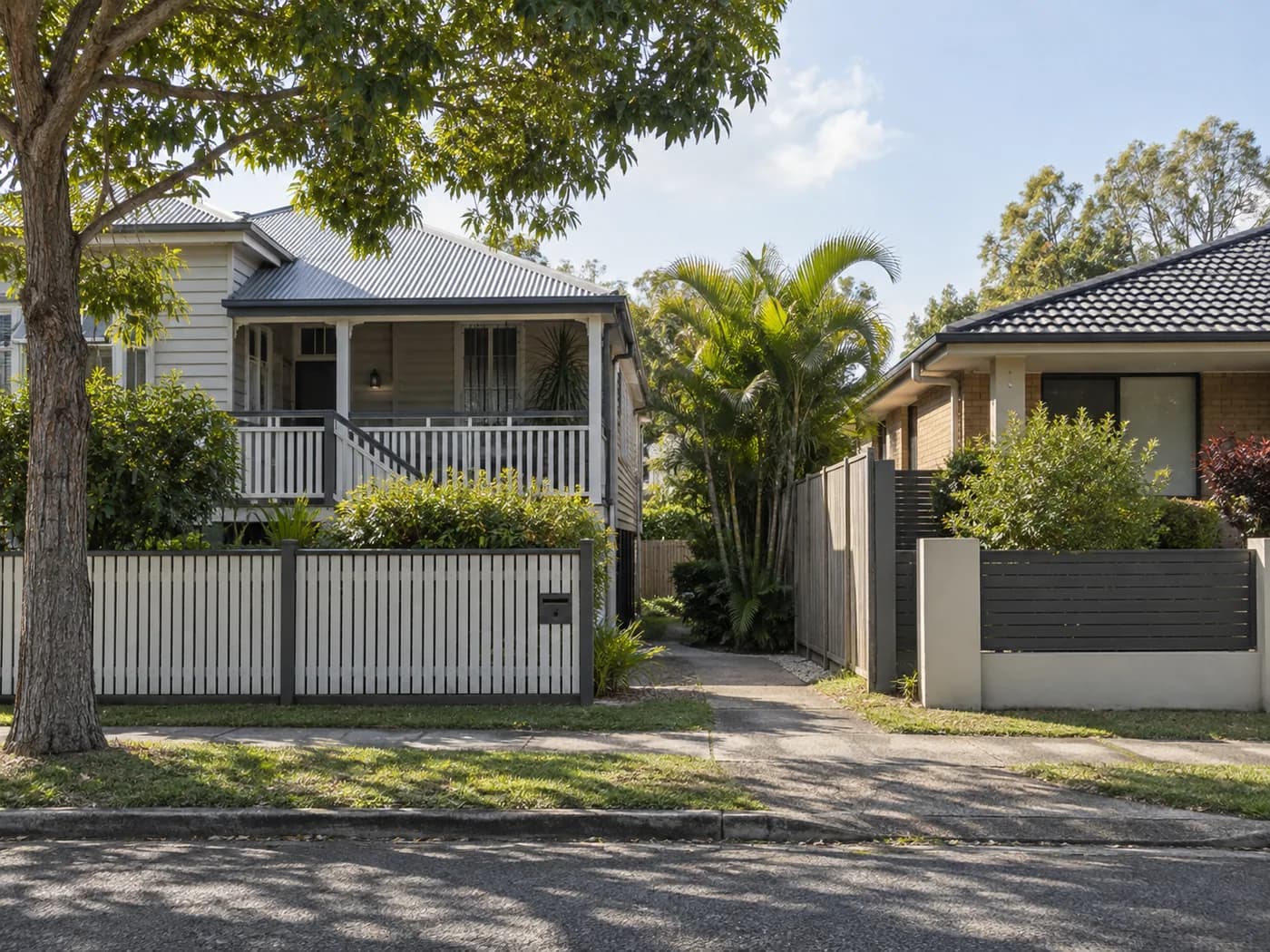
Local property coverage
Why Brisbane Needs Dilapidation Reports Now
Brisbane is in the middle of the largest construction boom in its history. The 2032 Olympic and Paralympic Games are driving billions of dollars in venue construction, athlete villages, and transport upgrades across the city.
Cross River Rail— Queensland's biggest infrastructure project — is tunnelling beneath the CBD and inner suburbs, with underground stations at Woolloongabba, Boggo Road, Albert Street, and Roma Street creating ground vibration and settlement risks for surrounding properties.
Queens Wharf, one of Australia's largest integrated resort developments, has reshaped the Brisbane CBD skyline and generated years of heavy construction activity in the South Brisbane and CBD fringe.
For property owners, this means one thing: the risk of construction-related damage to your home or building has never been higher. A dilapidation report before construction begins is the most effective way to protect your investment.
What Brisbane Property Owners Say
“The building surveyor was thorough and professional. Having the report before my neighbour started their renovation gave me complete peace of mind.”
Sarah M.
Paddington, Brisbane
Real Brisbane Case Studies
These real-world examples from Brisbane suburbs show why documenting your property's condition before construction starts is critical.
Property in good condition before Cross River Rail tunnel boring began. Minor hairline cracks in plaster, typical of age.
New diagonal cracks appeared in load-bearing walls. Foundation movement detected. Dilapidation report provided evidence for successful damage claim.
Heritage Queenslander on stumps with original timber framing. Documented existing settlement and minor stump lean.
Adjacent excavation for basement construction caused stump movement. Pre-construction report proved damage was new, not pre-existing.
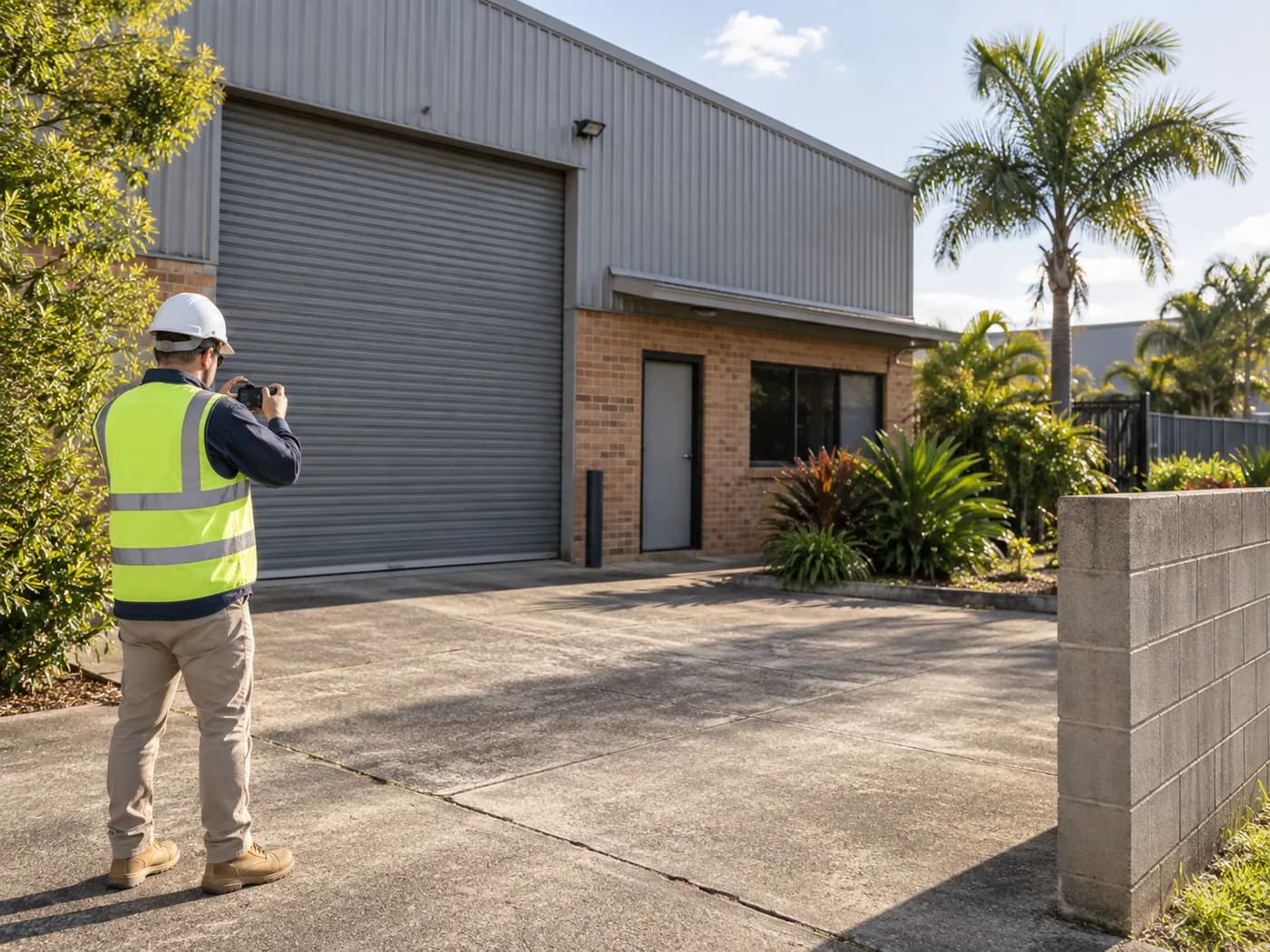
Commercial shopfront with intact facade. Glass panels, signage, and flooring documented in detail.
Vibration from pile driving for neighbouring tower caused glass cracking and floor tile displacement. Report enabled insurance claim.
Terrace home with shared party wall. Existing minor cracks documented with measurements and photographs.
Knockdown rebuild next door caused significant party wall cracking. Without the pre-construction report, proving new damage would have been impossible.
Frequently Asked Questions
Ready to Protect Your Property?
Get a free, no-obligation quote from a qualified Brisbane building surveyor. We will match you with the right professional for your property and situation.